How to Prepare for a Filmed Legacy Interview
Congratulations on taking the step to preserve your story. Choosing to reflect on your life and share it with future generations is a meaningful gift for your family and the people you love. This experience is designed to feel relaxed and natural, more like a conversation than an interview. There is nothing to memorize or rehearse. The most meaningful moments come from simply speaking in your own words. The suggestions below will help you feel comfortable, prepared, and ready to tell your story.
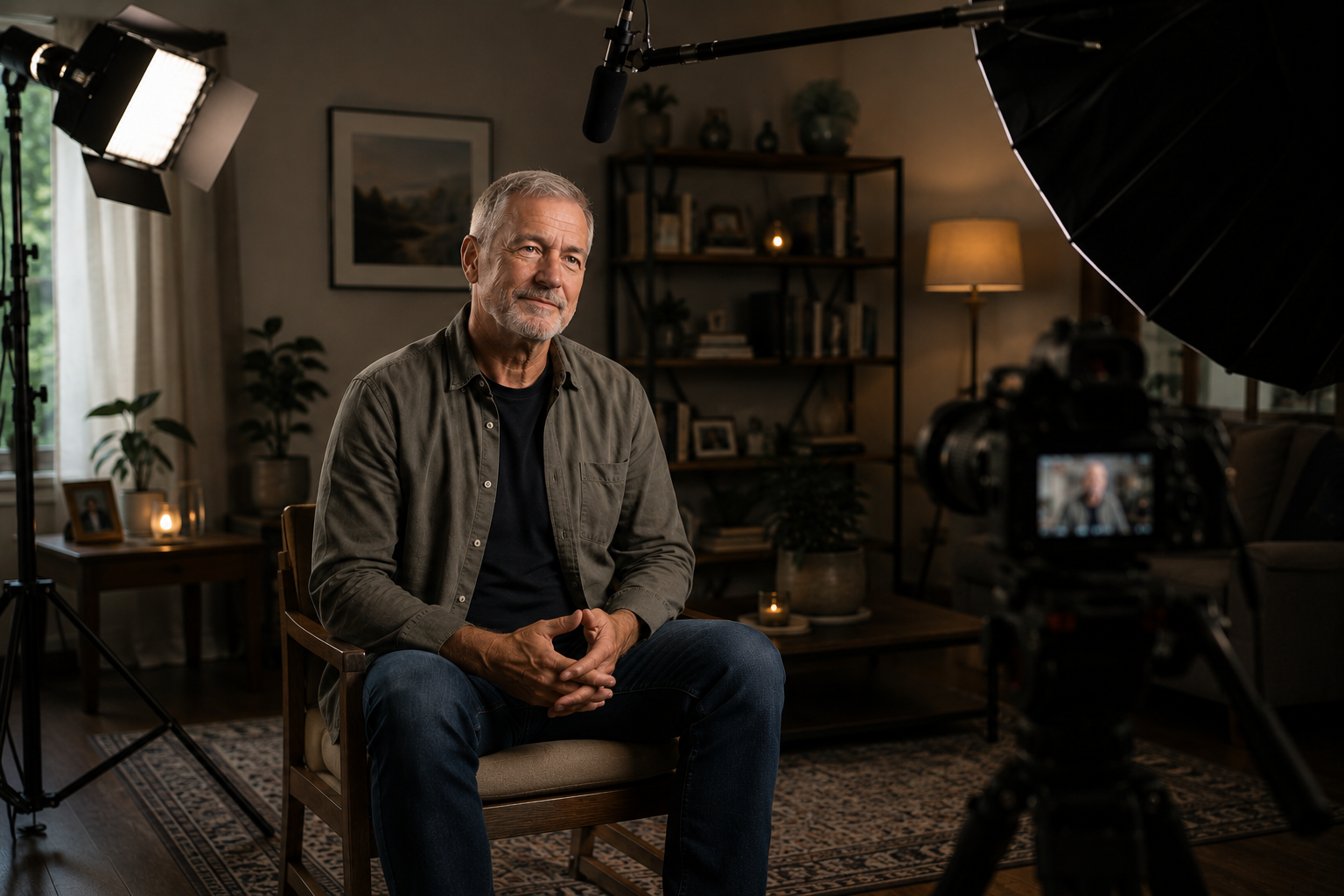
WHAT TO EXPECT
Arrival
The filmmaker will arrive a few minutes early to greet you and briefly review the plan for the conversation. If you haven’t had a chance to review and sign the participant consent forms, you’ll have a chance to review and sign them and ask any remaining questions.
Setup – 60 Minutes
Cameras, audio, and lighting are set up in a contained area. The equipment is minimal and quiet. Please be mindful to keep your distance from any equipment during the setup and filming processes.
Please give the filmmaker space during setup and refrain from sharing your life story before the filming begins.
Conversation – Between 60 and 180 Minutes
The interview will unfold naturally and at a comfortable pace. Restroom and water breaks are always welcome.
Wrap-Up & Breakdown – 45 Minutes
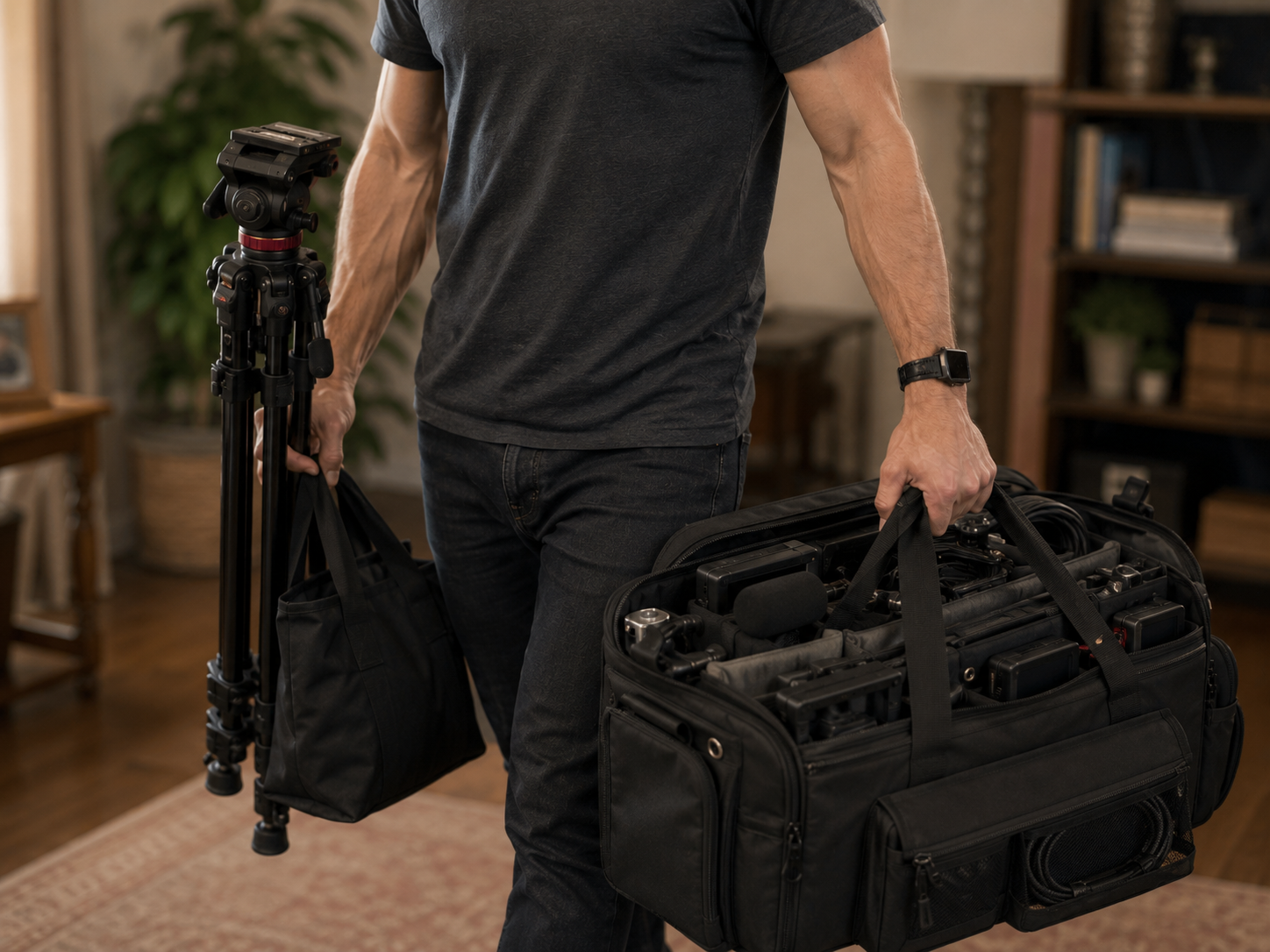
Equipment is carefully packed away, leaving the space as it was found. The participants fills out a feedback form.
IMPORTANT TIPS TO PREPARE
CLOTHING
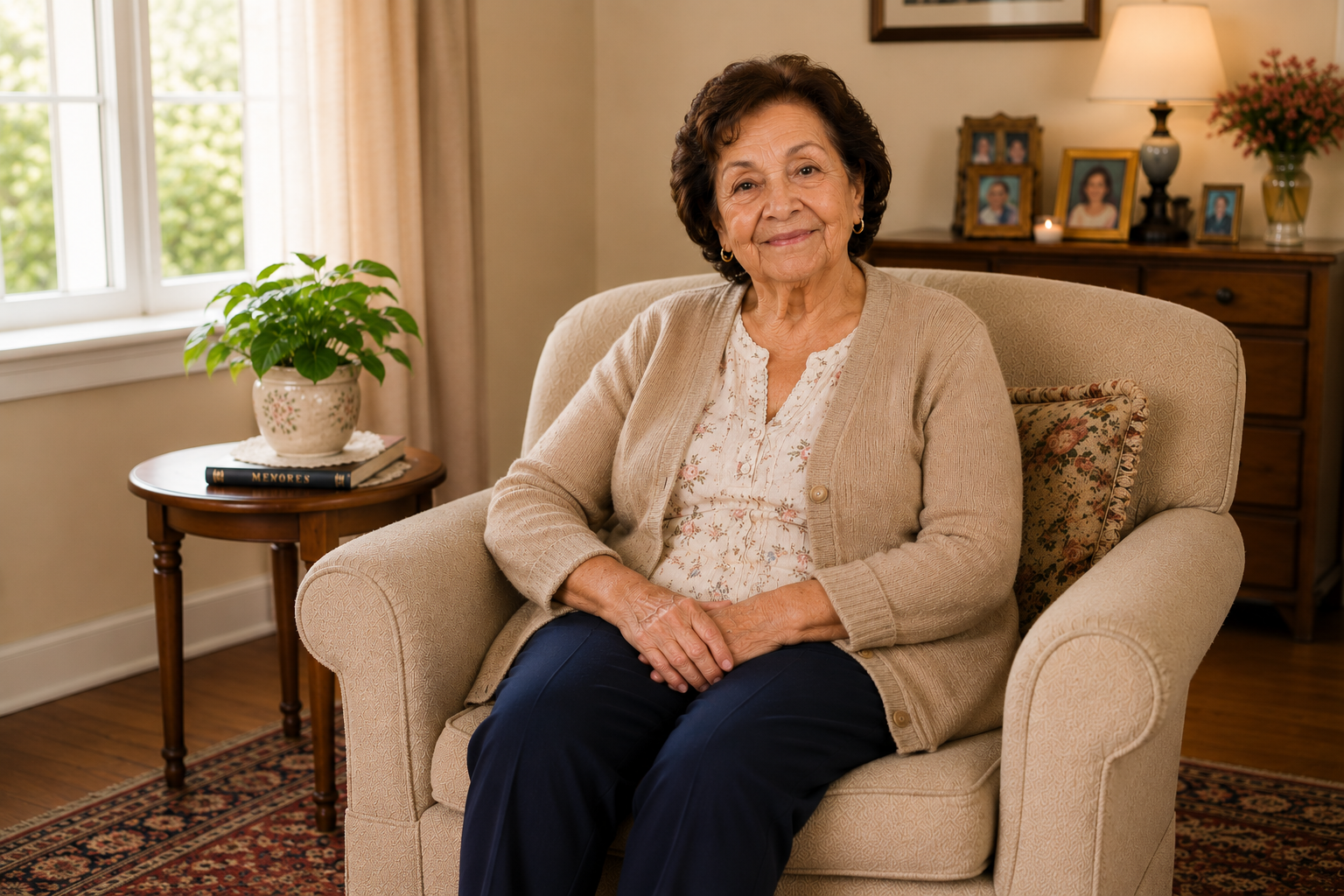
Simple, comfortable clothing works best. Choose something that feels natural and reflects your personality.
When filming, pure white clothing can reflect light and pure black clothing can lose detail. Solid, soft colors tend to look best on camera. Blues, earth tones, muted greens, and soft neutrals work beautifully.
Avoid very small patterns (tiny stripes, checks, or herringbone), which can create visual distractions on camera.
Layers like a sweater, scarf, or light jacket can add warmth and texture if you enjoy wearing them.
If possible, avoid jewelry that makes noise or reflects a lot of light, especially necklaces. If possible, keep accessories simple and avoid anything noisy or distracting while speaking.
Glasses are completely fine to wear, but if you are comfortable without them, that can sometimes reduce reflections from lighting. If you prefer to keep them on, we will do our best to position things comfortably, though some glare may still occur depending on the lenses. Non-reflective coatings can help, but they are not required.
We frame the film from the waist up so feel free to wear your most comfortable shoes.
Most importantly, wear something that makes you feel relaxed and like yourself.
GROOMING
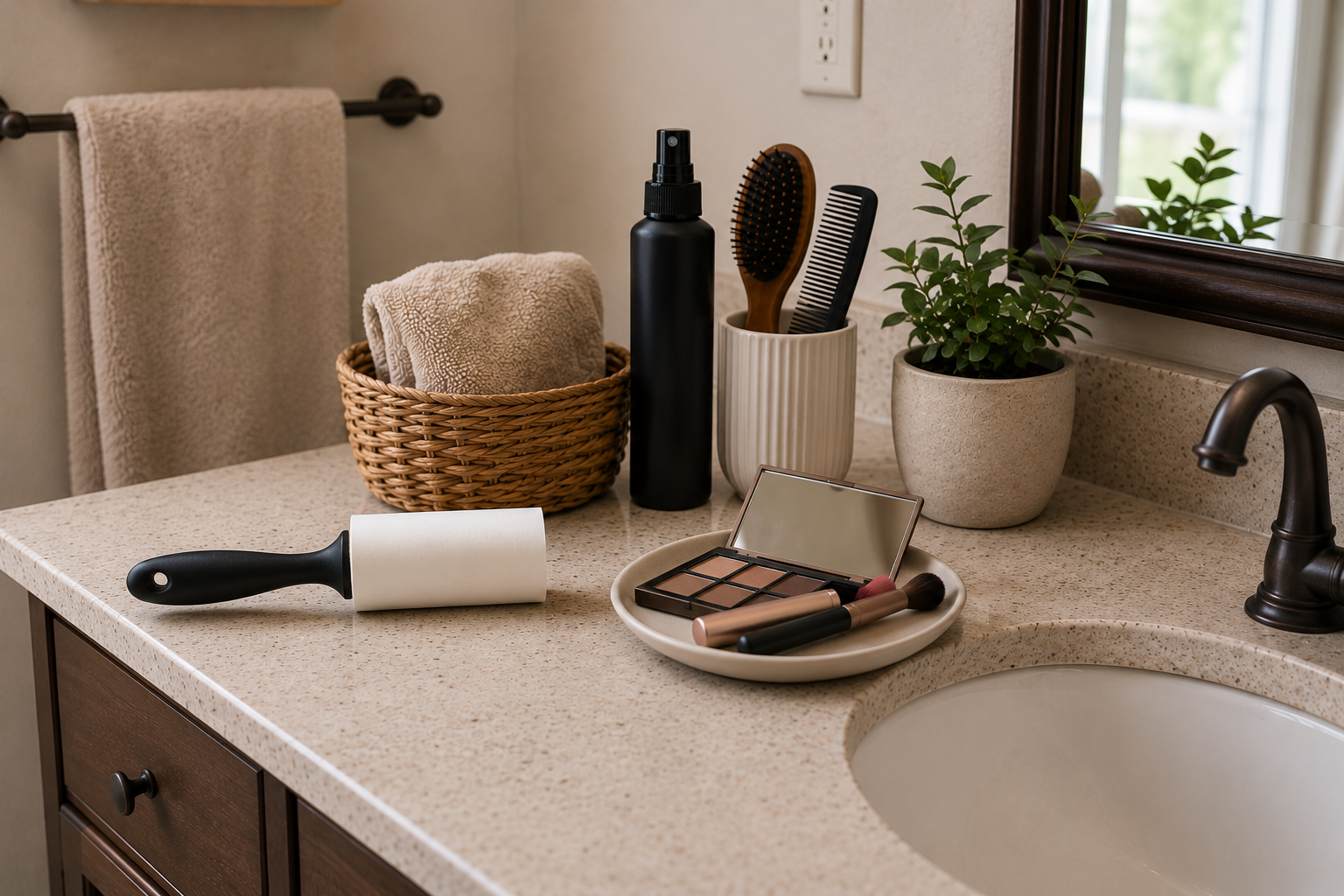
Hair should be styled in whatever feels most natural and comfortable. A quick check for flyaways or loose strands can help keep the focus on you. Make sure hair doesn’t cover your face. If you are planning a haircut or shave, consider doing it a day or two before the interview so you feel settled into your look.
If you wear makeup, natural or matte makeup tends to work best on camera. There is no need for anything heavier or different from your everyday look.
A quick lint roll can help remove dust or pet hair from clothing.
BEFORE FILMING
Try to get a good night’s rest if possible, but there is no pressure to feel perfect.
Drinking some water beforehand can help you feel more comfortable while speaking.
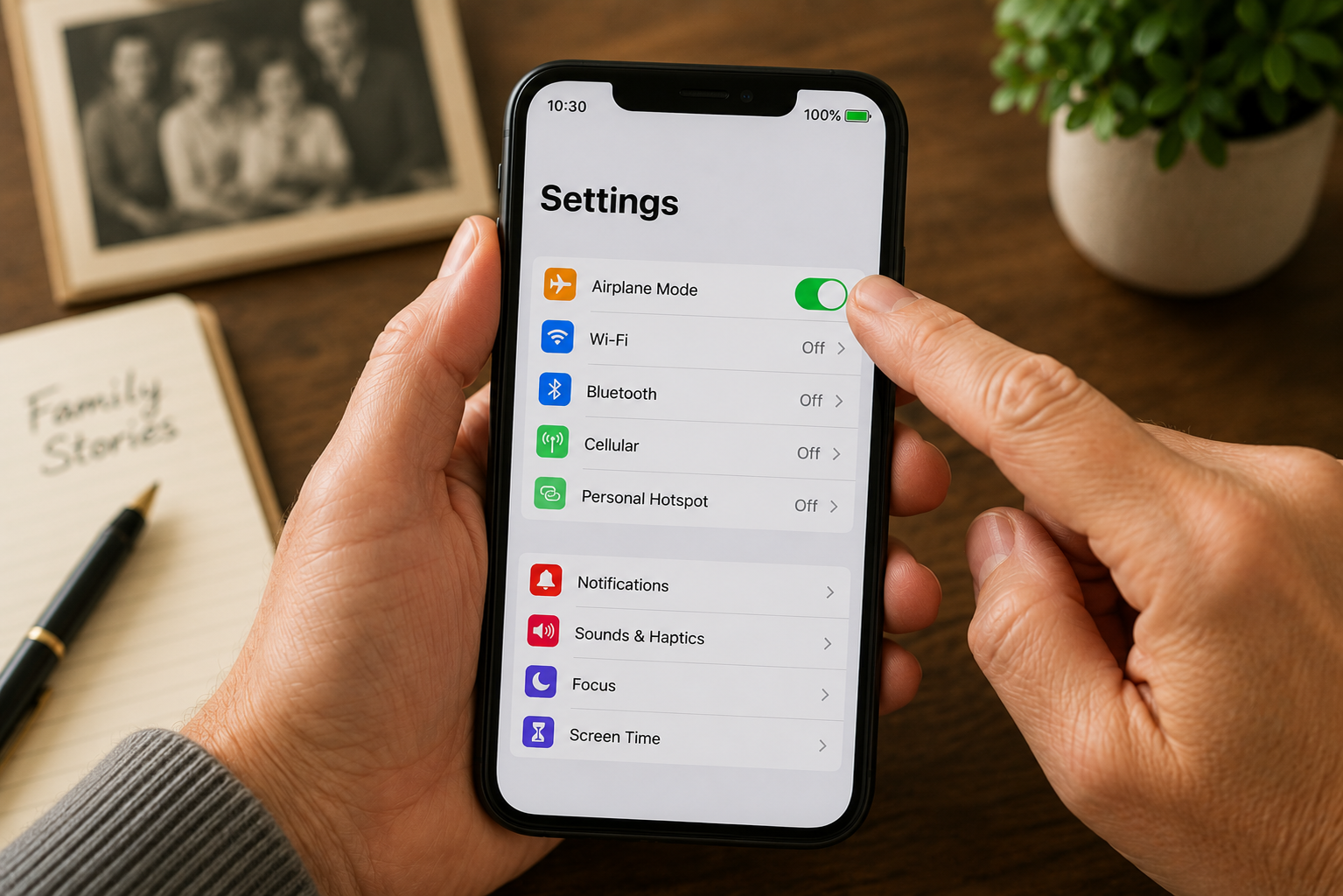
Please silence phones, watches, and other devices to avoid interruptions.
If possible, consider turning off fans, air conditioners, or other appliances that create steady background noise, as microphones can pick up sounds we may not notice in conversation. Pre-cooling or pre-heating the space beforehand can help keep the room comfortable without introducing distracting noise during filming.
DURING THE CONVERSATION
Try to refrain from touching your clothing where microphones are placed.
Pauses, laughter, emotion, and moments of reflection are all completely welcome.
Take your time when speaking.
If you lose your train of thought, we can pause and begin again. You never need to rush or feel pressured to say everything perfectly. Breaks are always okay. The goal is not perfection. The goal is presence.
RESPOND TO QUESTIONS IN FULL SENTENCES
In the final film, the interview questions are edited out. This allows your story to flow naturally and feel like a personal narrative rather than a back-and-forth interview. Because of this, it is important to answer in complete thoughts so your words can stand on their own.
Try to include the context of the question in your response, rather than replying with only a short answer.
For example, if asked, “Did you enjoy growing up in your hometown?”
Instead of: “Yes, I loved it.”
You might say: “I loved growing up in my hometown because it felt safe, familiar, and full of family.”
Or if asked, “Who influenced you most as a child?”
Instead of: “My grandmother.”
You might say: “My grandmother had the biggest influence on me as a child because she taught me the value of kindness and hard work.”
A helpful way to think about it: imagine someone watching the film without hearing the question. Would your answer still make sense on its own?
Do not worry about doing this perfectly. The filmmaker will guide the conversation and help you expand or clarify whenever needed.
Want a Professional Legacy Film?
Family Legacy Films specializes in creating cinematic legacy films that preserve the voice, personality, and life story of the people you love most. Because one day, hearing their voice again will mean everything.